
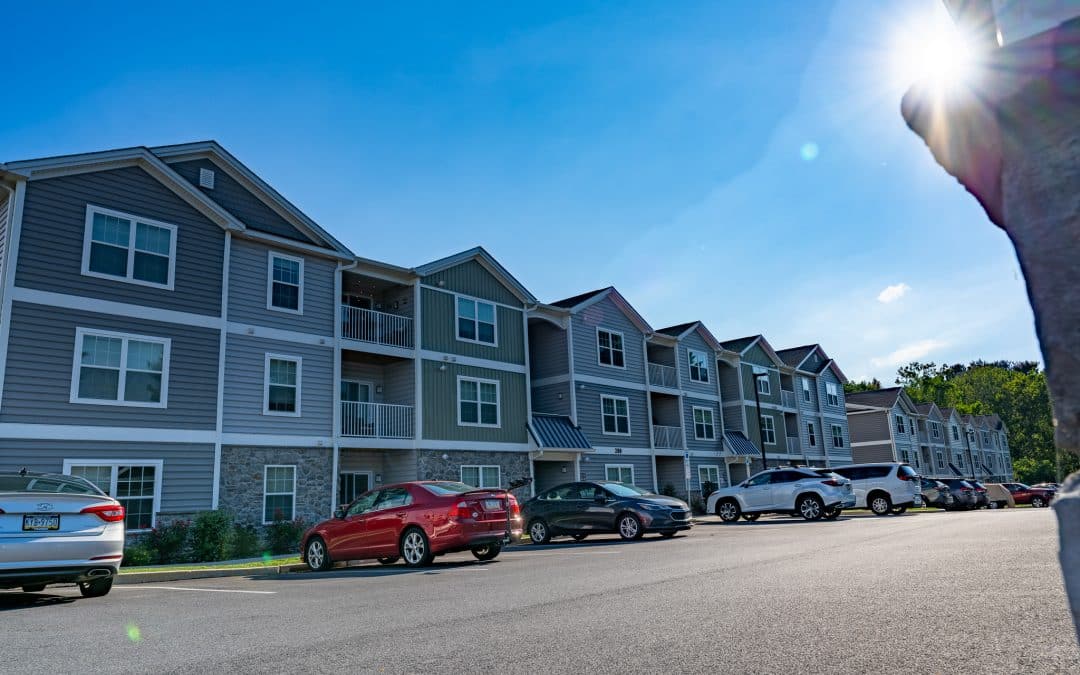
As you drive down 422, you can’t help but notice the countless Realtor billboards and advertisements asking if you are ready to sell your home. One thing you don’t see as often is a “For Sale” sign in a front yard. Berks County’s housing supply has been tight for several years, however, over the last 5 years, it has become one of the hottest markets in the nation. With all things supply and demand, when the demand goes up and the supply doesn’t, prices increase.
Our housing market is not just hot regionally, as per Realtor.com & Wall Street Journal’s quarterly joint rankings for the “Best Places to Buy”, in Spring 2025, Berks County reached rank 10th in the United States, in their most recent release of Winter 2026, we ranked 26th. These reports and stories tell us something we already know, people want to live in Berks County. Berks County has continued to experience steady population growth since 2010, but our housing growth never fully recovered after the Great Recession.
Housing & Economic Development
In recent years, Housing became a key focus for economic development plans as it is the nexus of what makes a community vibrant. Businesses cannot thrive in an area without people. People cannot live in a community if there is no housing inventory. Looking at Up For Growth’s Housing Unit Underproduction data released in 2025, Berks County is currently missing over 4,200 housing units from what is considered a stable housing market. Our lack of inventory is not a problem unique to just Berks County, but what are we doing to address it?
The County of Berks has convened a Housing Working Group that includes several key public and private stakeholders in the community. This group is reviewing what policy changes can be made at the local level or what changes are needed at the state level to lower the barrier to entry for housing. One example of a program being reviewed is the Act 137 Fee, a fee on home sales which was created to fund First-time Homebuyer Assistance Programs and other supportive housing services. This fee was created in 1993 and remains set at $11.50. Adjusted for inflation, that fee would be $26.60 in today’s dollars, yet it remains stuck in time. Allowing for a change to that amount could allow additional housing funds to be used to address some of the affordability challenges.
In addition to programs to support getting people into homes, supporting the redevelopment of blighted or underutilized spaces is a way to increase inventory. In many of our Boroughs, they are fully built out, or they have old buildings which are underutilized. A great example of a redevelopment project comes from the former Fleetwood Autobody building in Fleetwood Borough. A former automobile manufacturing building was given new life as small-scale apartments. The units range from about 375 square feet up to around 700 square feet. This may seem to be a small footprint, but not everyone is looking to own a 2,200 square foot single family home on a .5-acre lot. Changing demographics and lifestyles coupled with issues of affordability have created new opportunities for housing developers to be more creative.
While there is no one-size-fits solution to housing, we will continue to engage with a variety of stakeholders to find common ground to make sure we are all rowing the boat in the same direction. As we work together, we hope that we will see more For Sale and Sold signs than billboards asking to buy your house.