
Fostering Collaboration
A Unified Vision for Inclusive Growth
A comprehensive plan is a long-range strategic guide for a community’s future, outlining a vision for growth, development, and quality of life by addressing land use, housing, transportation, infrastructure, and resources, serving as the foundation for decisions and regulations like zoning.
It’s a holistic, evolving document developed with public input to ensure coordinated, sustainable development rather than reactive, piecemeal changes.

Next Phase – beginning 2026
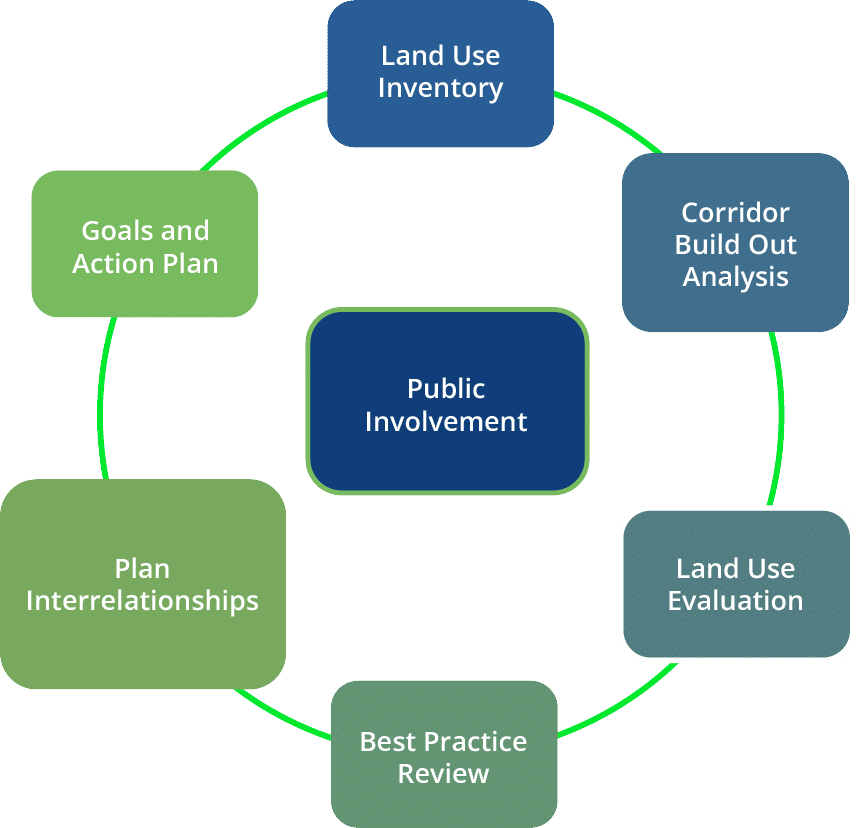
Land Use Evaluations
Imagine Berks Comprehensive Plan Update
Current Phase: Corridor Build Out Analysis
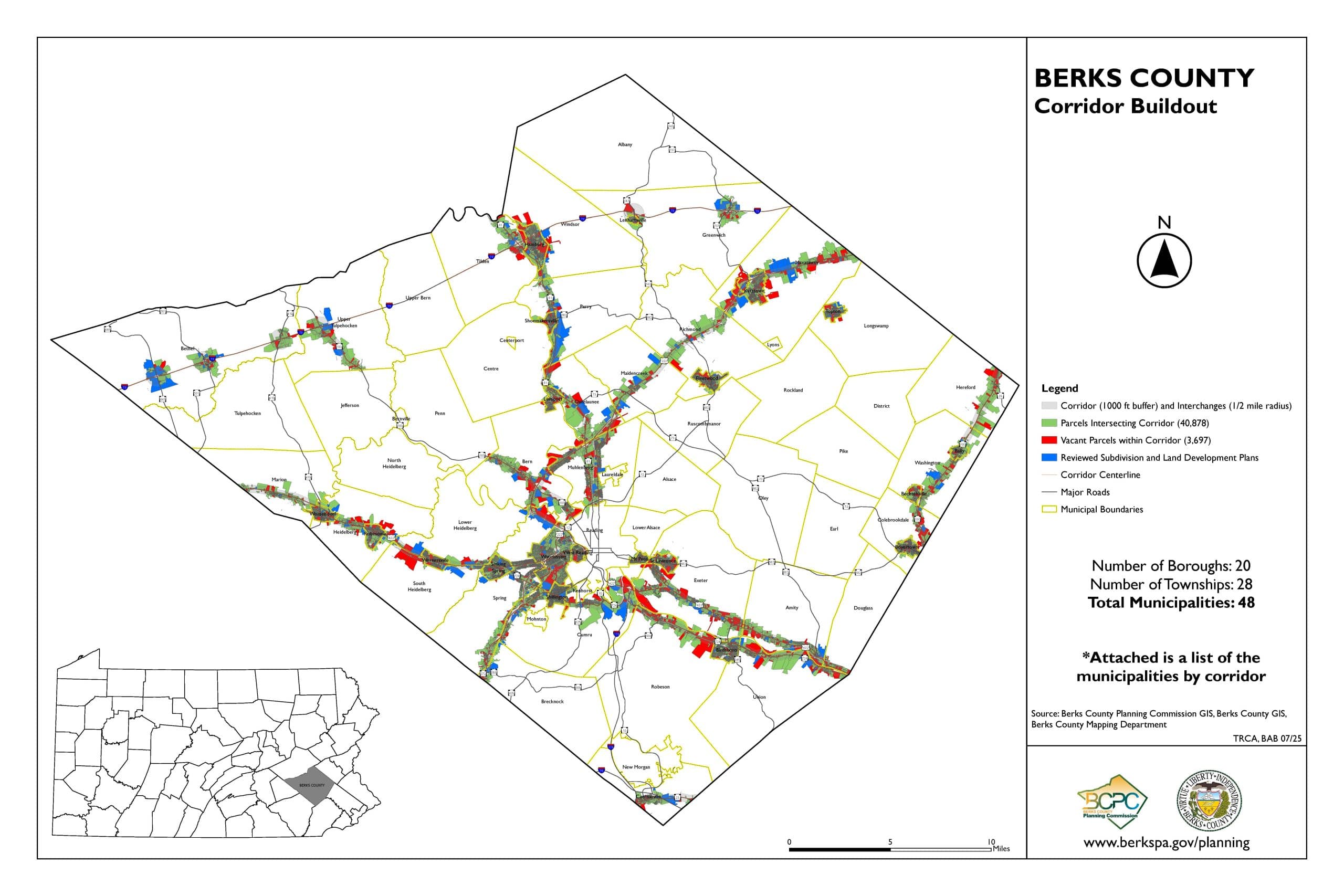
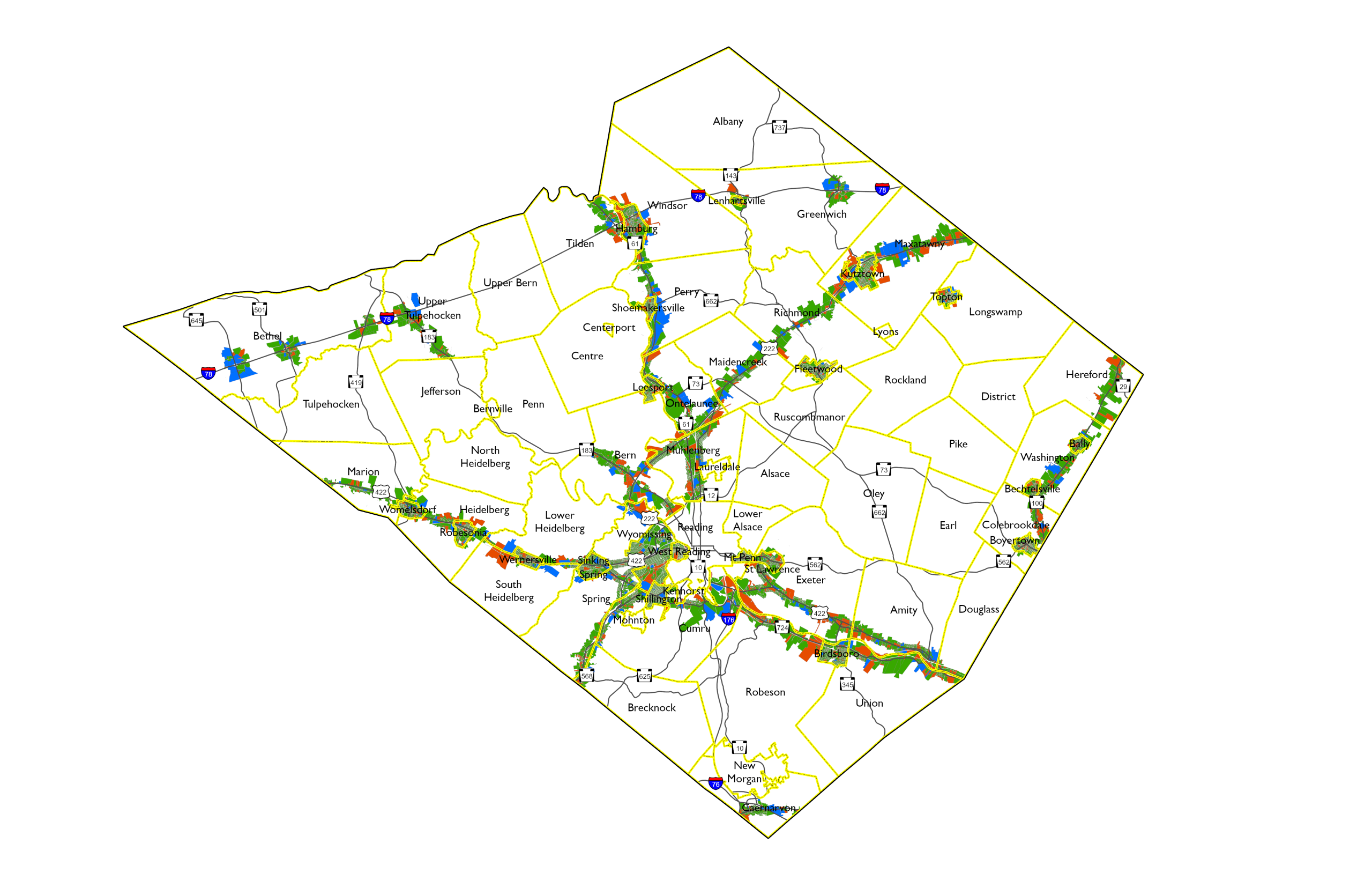
The Berks County Corridor Build-out Analysis utilizes SMART Growth principles to provide local boroughs and municipalities with a tool that can help quantify the impacts of development, redevelopment, or keeping existing land-uses and zoning unchanged.
Phase 1 – Completed 2026
Land Use Inventory
The Berks County Planning Commission completed Phase 1 of the updated Imagine Berks Comprehensive Plan in 2026. Phase 1 consisted of Land Use Invetory of parcels in Berks County that are currently underutilized. That list was then complied to start Phase 2 of the Comprehensive plan, which will consist of a Corridor Build Out Analysis of the County.
Goals for a comprehensive plan
Outcomes of the Comprehensive Plan
A Comprehensive plan that establishes specific goals, actionable steps, and collaborative partnerships to guide land use development and preservation for the County, municipalities, and stakeholders.

A Practical plan designed to support funding applications for the County, municipalities, and partners.

What makes a good comprehensive plan?
A solid comprehensive plan offers your community a clear and shared direction for growth, investment, and adaptation over the next 10 to 20 years. It links everyday decisions; such as zoning, capital projects, and programs, to a long-term vision that residents can truly embrace as their own.
Key qualities that make it effective:
- Integrated: The plan brings together systems like land use, transportation, housing, environment, and economy, ensuring decisions in one area support others.
- Inclusive: It captures a wide range of input from residents, businesses, institutions, and community organizations—not just technical experts.
- Implementable: Recommendations are prioritized, mindful of costs, and aligned with available funding and staffing capacities.
Scalable and flexible: It handles neighborhood, citywide, and regional levels and is built to be updated as circumstances change. - Visionary and resilient: The plan anticipates various changes—such as demographic shifts, climate risks, or economic disruptions—preparing the community to adapt effectively.
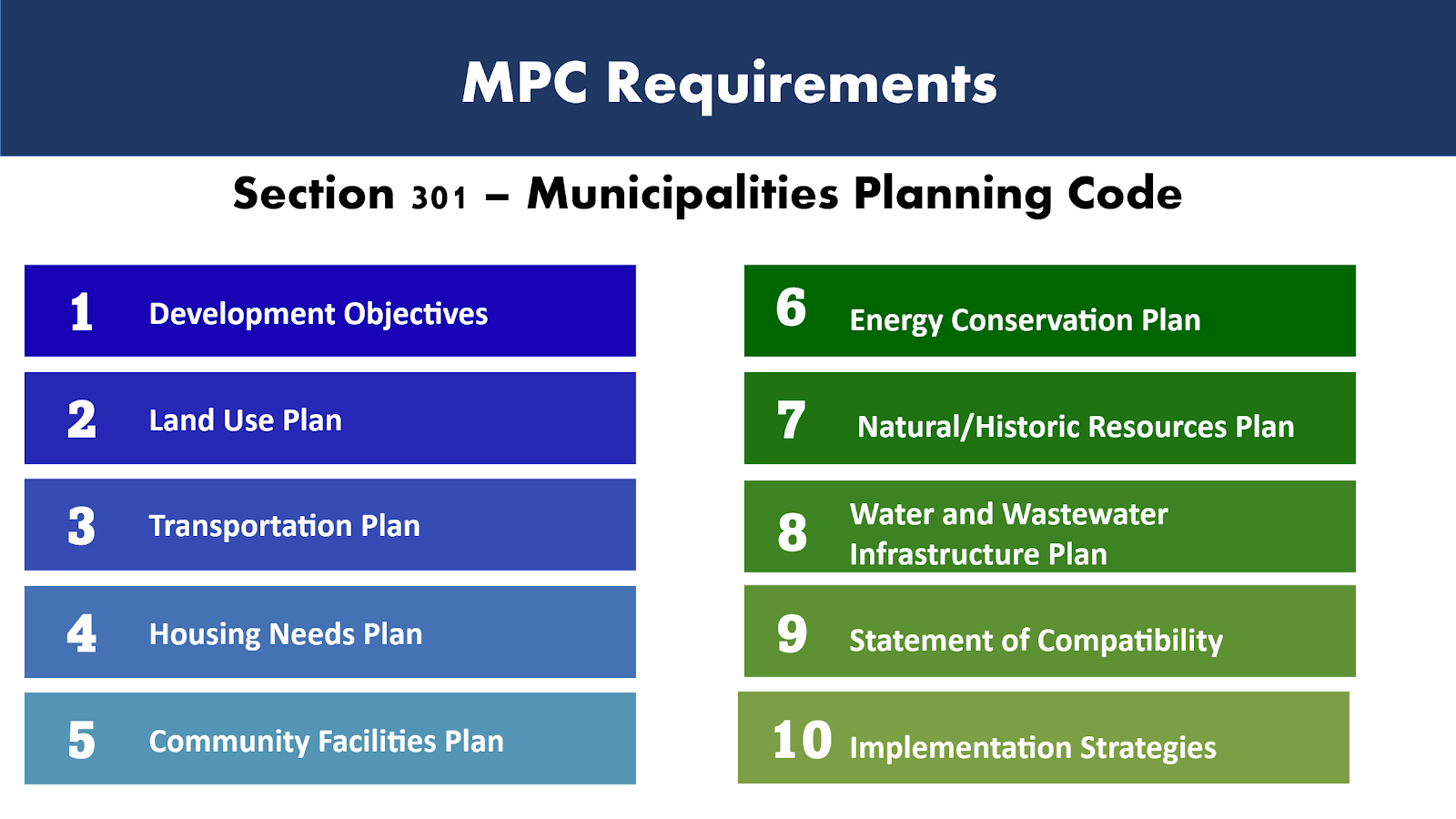
MPC Comprehensive Plan Requirements
What Pennsylvania Law Expects in a Community Plan
In Pennsylvania, the Municipalities Planning Code (MPC) lays out clear expectations for comprehensive plans at the municipal, multimunicipal, and county levels. These plans are meant to act as long-term guides for growth, preservation, and investment in communities.
First off, they need to include a statement outlining community development goals and objectives. A land use plan is also essential, detailing where various uses; like housing, businesses, industry, agriculture, public facilities, parks, and open spaces, will be situated over time.
Plans must tackle housing needs across different income levels and household types, as well as transportation and mobility systems. They also need to address community facilities and utilities, such as schools, emergency services, water supply, and sewer systems. The MPC emphasizes the importance of protecting natural and historic resources, and planning for a reliable water supply. It’s also crucial to identify areas designated for growth and those meant for preservation.
Comprehensive plans should take into account how all these elements interact with one another and how they fit in with the plans of neighboring municipalities, counties, or regions. Public input is a must, so meetings and hearings are part of the process. Finally, governing bodies are required to review their plans at least once every ten years to check if any updates are necessary.
Making a Comprehensive Plan Work
What Makes an Implementable Comprehensive Plan?

A focus on relevant land use development issues

Creation of workable ideas and action plans
Indentifies the capacity and partners to implement

Community ownership and involvement